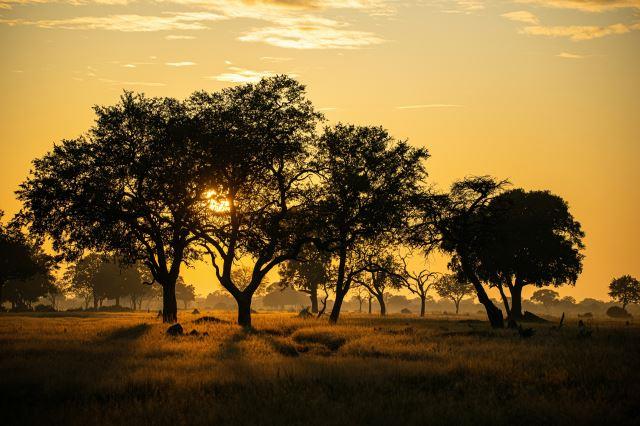



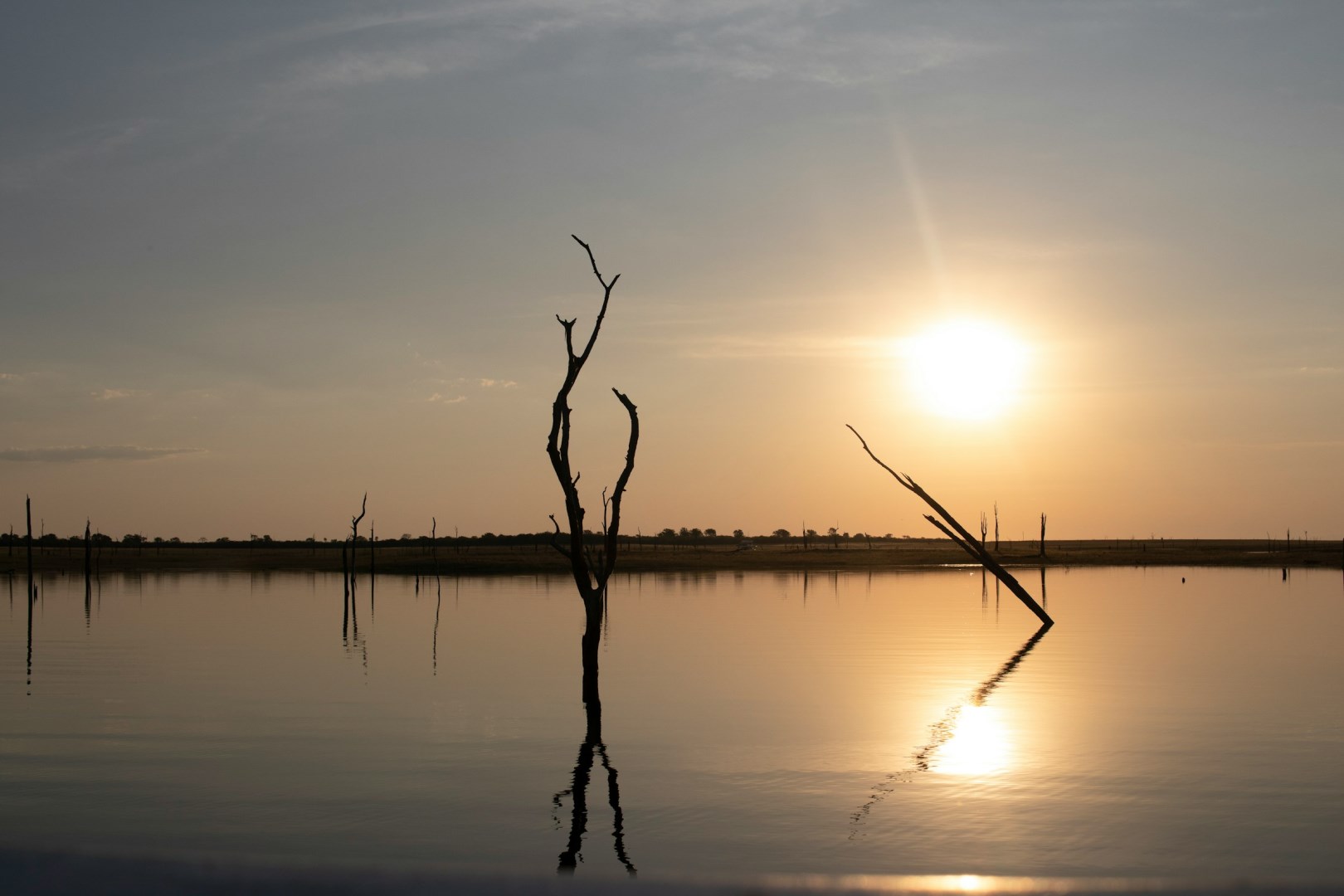
Lake Kariba is a large reservoir on the Zambezi River along the border between Zimbabwe and Zambia. On the Zimbabwean side, the lake stretches through a landscape of wooded hills, rocky shorelines, islands, and broad expanses of open water. The reservoir is closely connected with the town of Kariba, which developed around the hydroelectric project at the lake’s eastern end. Fishing, tourism, boating, and electricity generation are important parts of the lake’s modern role, while its surrounding habitats support a variety of wildlife adapted to the Zambezi Valley.
The communities around Lake Kariba include Tonga people whose cultural traditions and livelihoods are closely connected with the Zambezi Valley. The creation of the reservoir led to the relocation of many Tonga communities from areas that became inundated, profoundly changing patterns of settlement and access to traditional lands. Fishing subsequently became an important livelihood along the lake, particularly through the commercial and small-scale harvest of kapenta, a small freshwater fish introduced to the reservoir. Tonga crafts, music, and traditions remain part of the cultural landscape surrounding Kariba and the wider Zambezi Valley.
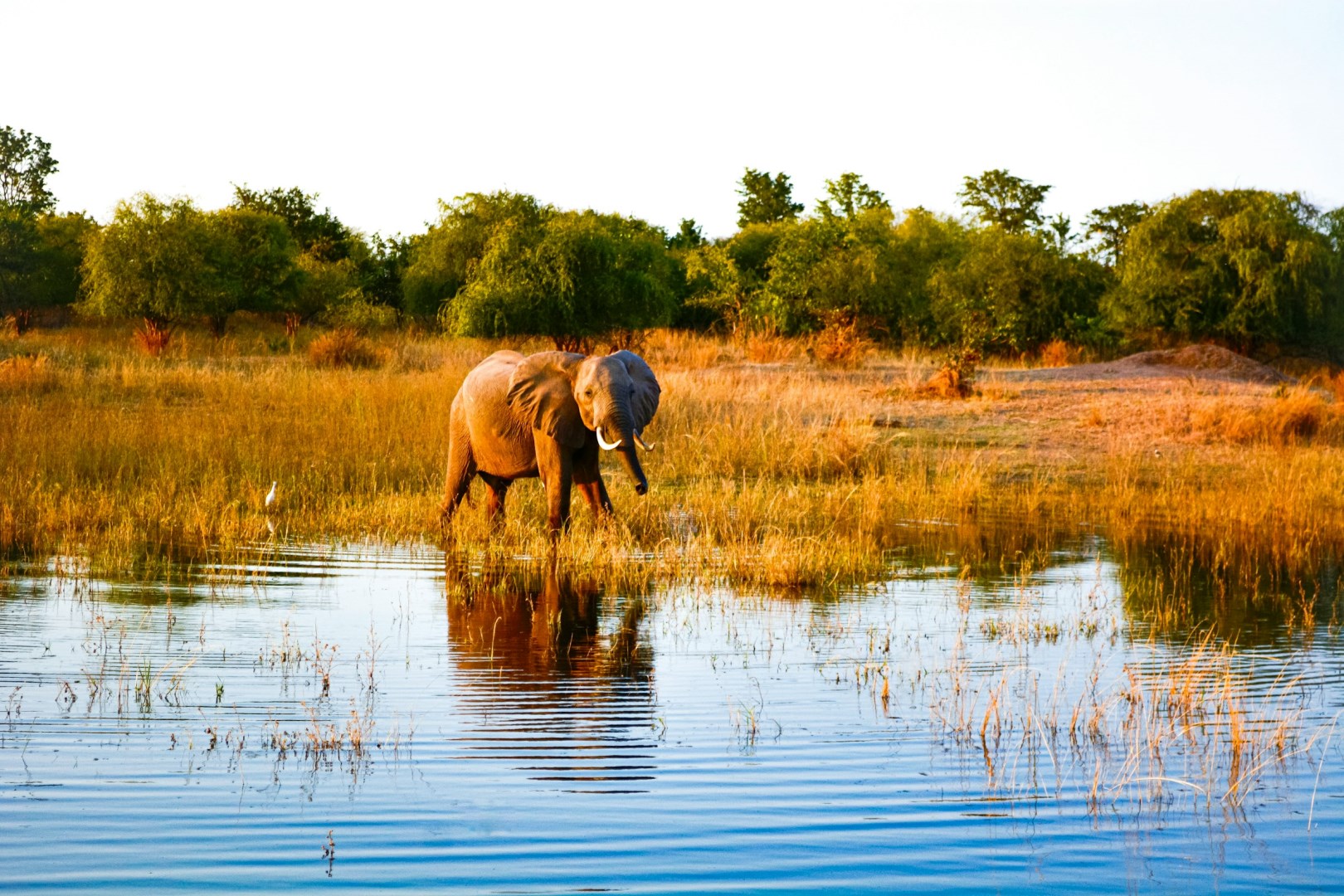
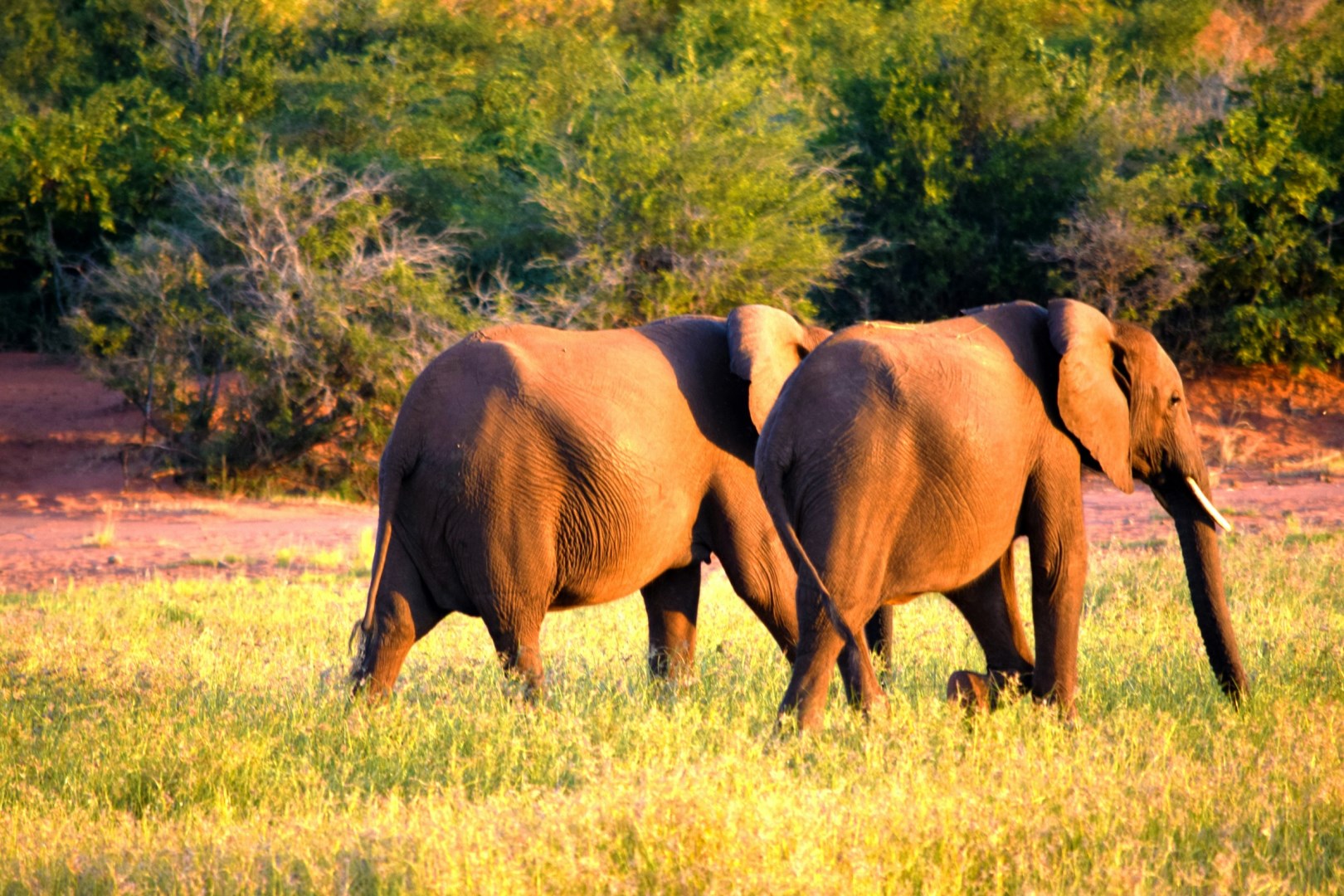
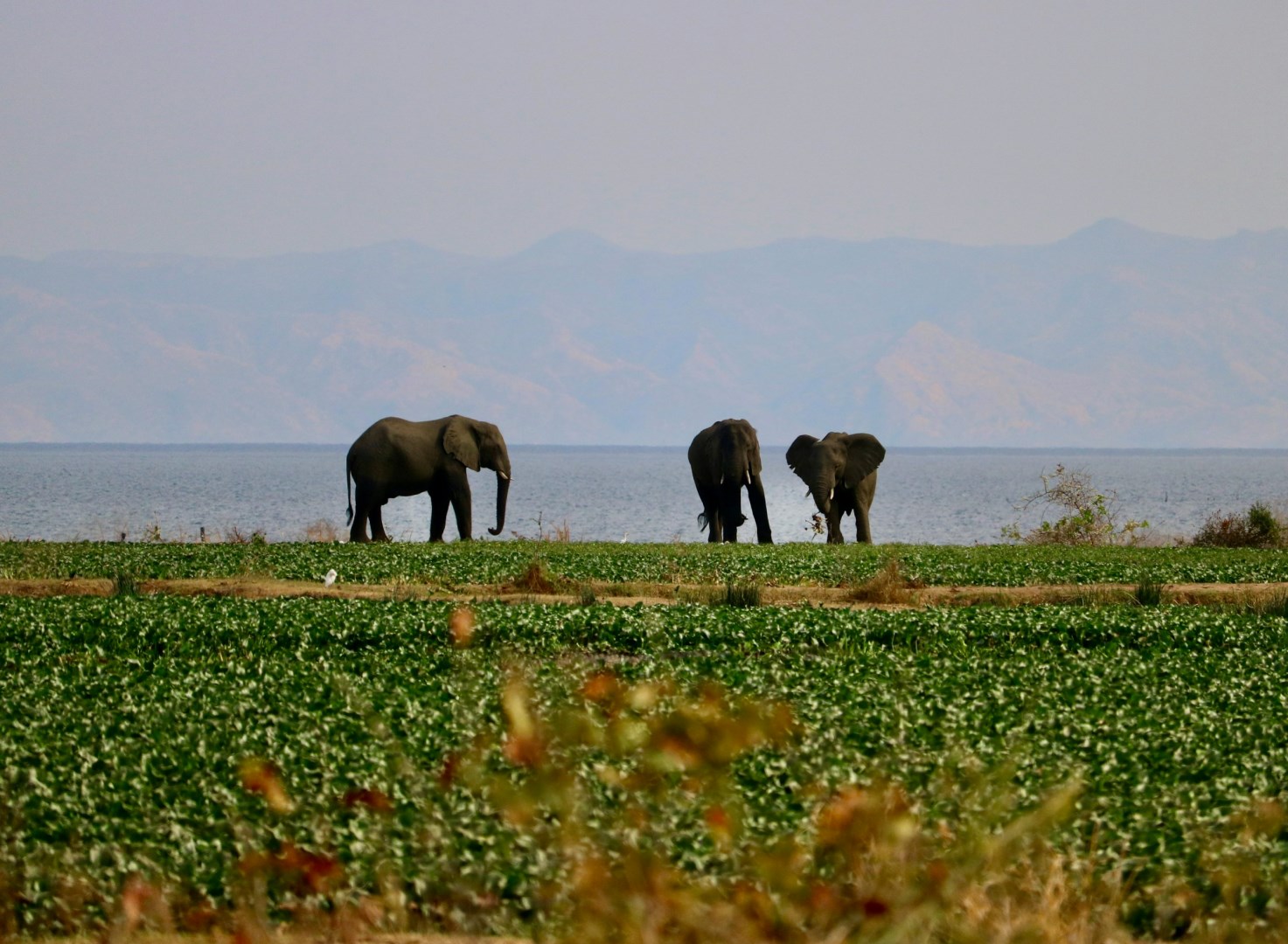
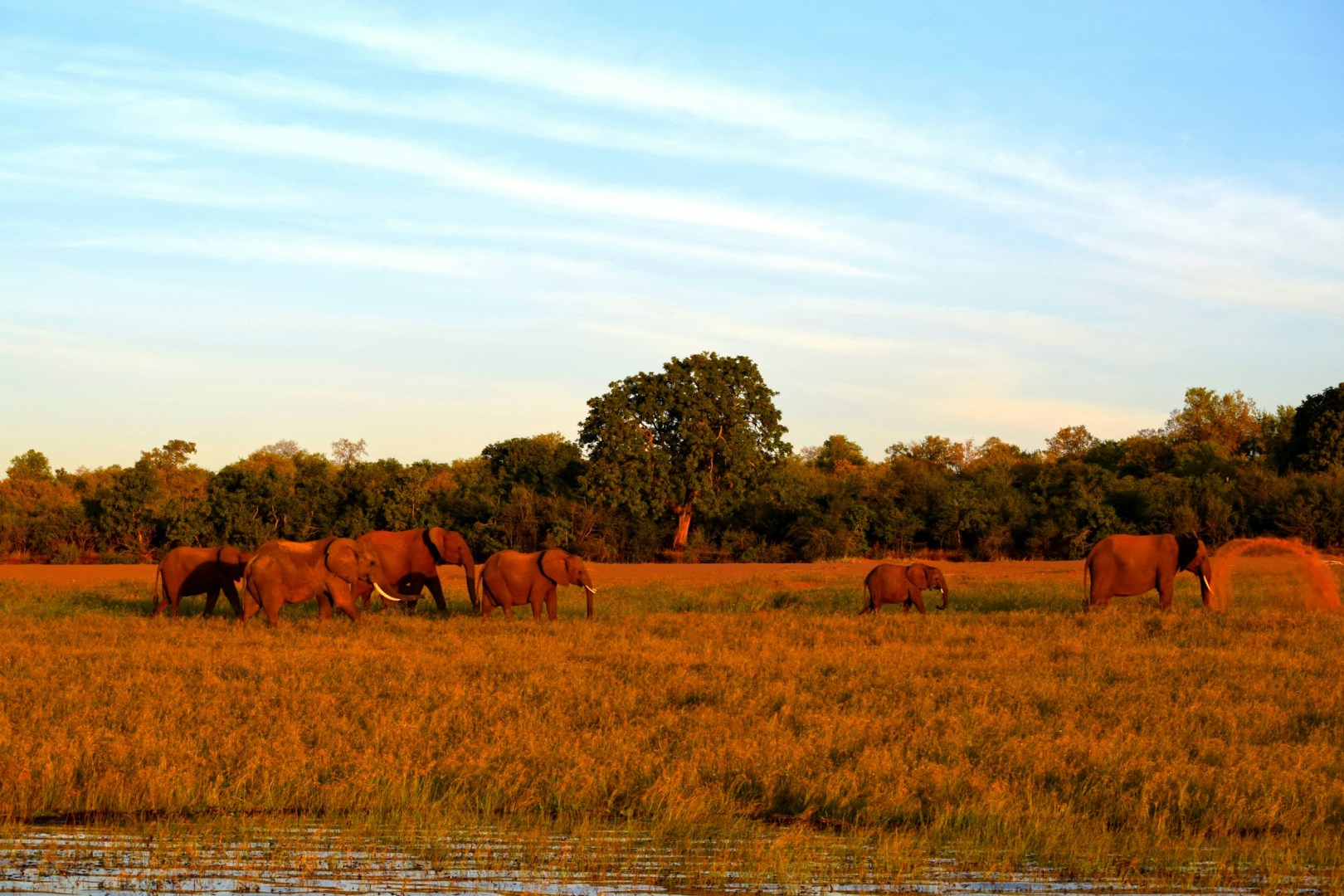
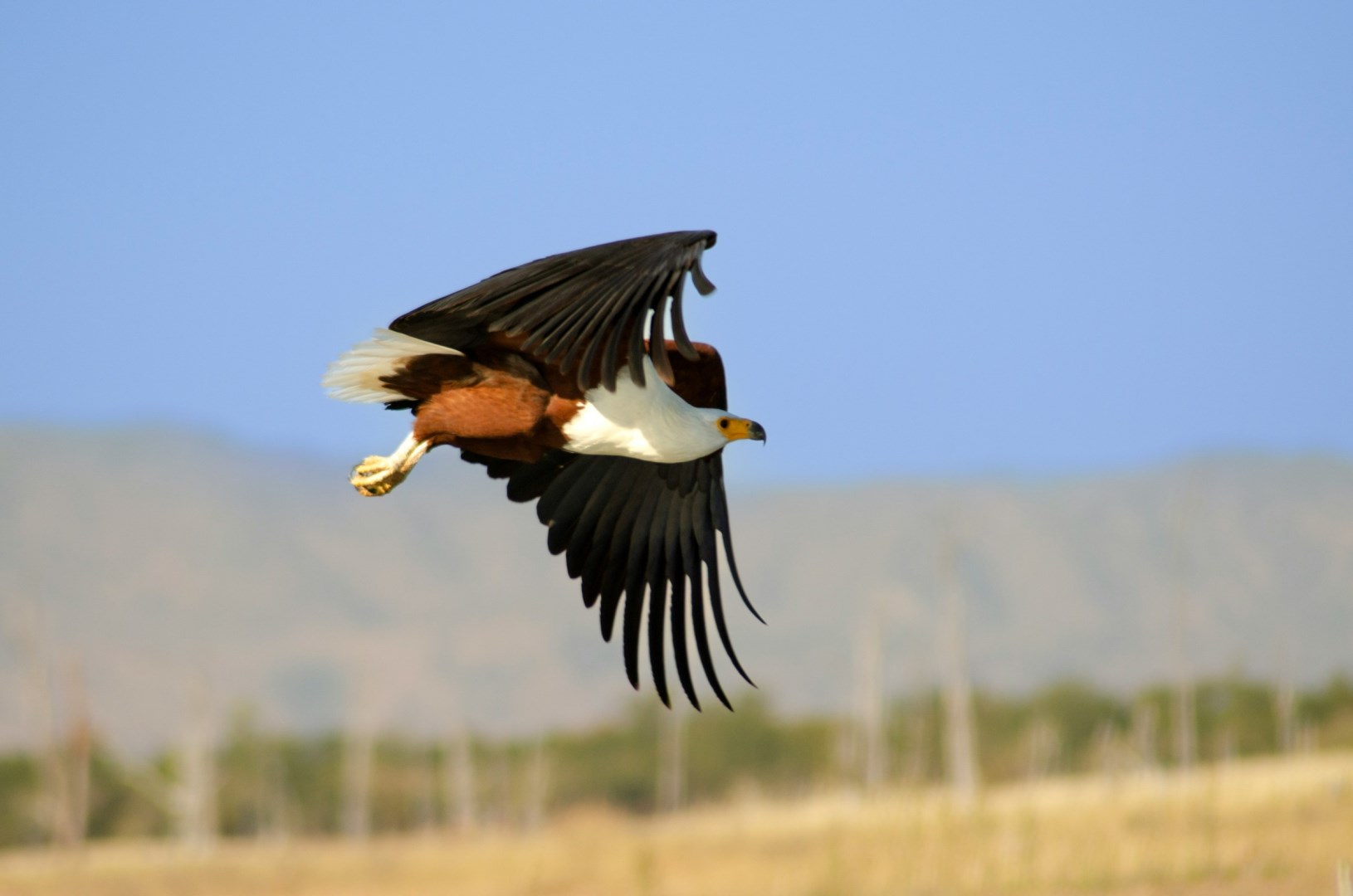
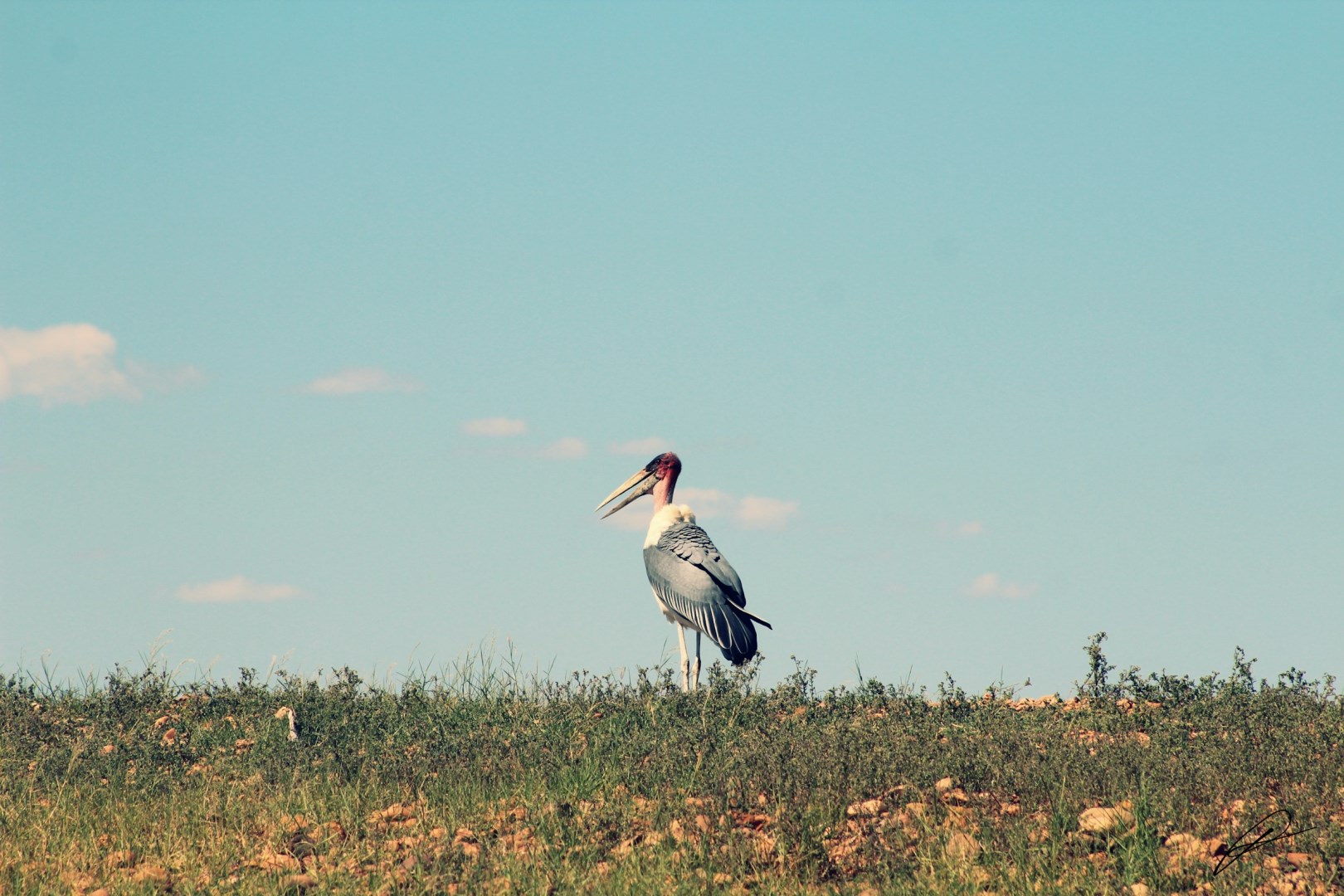
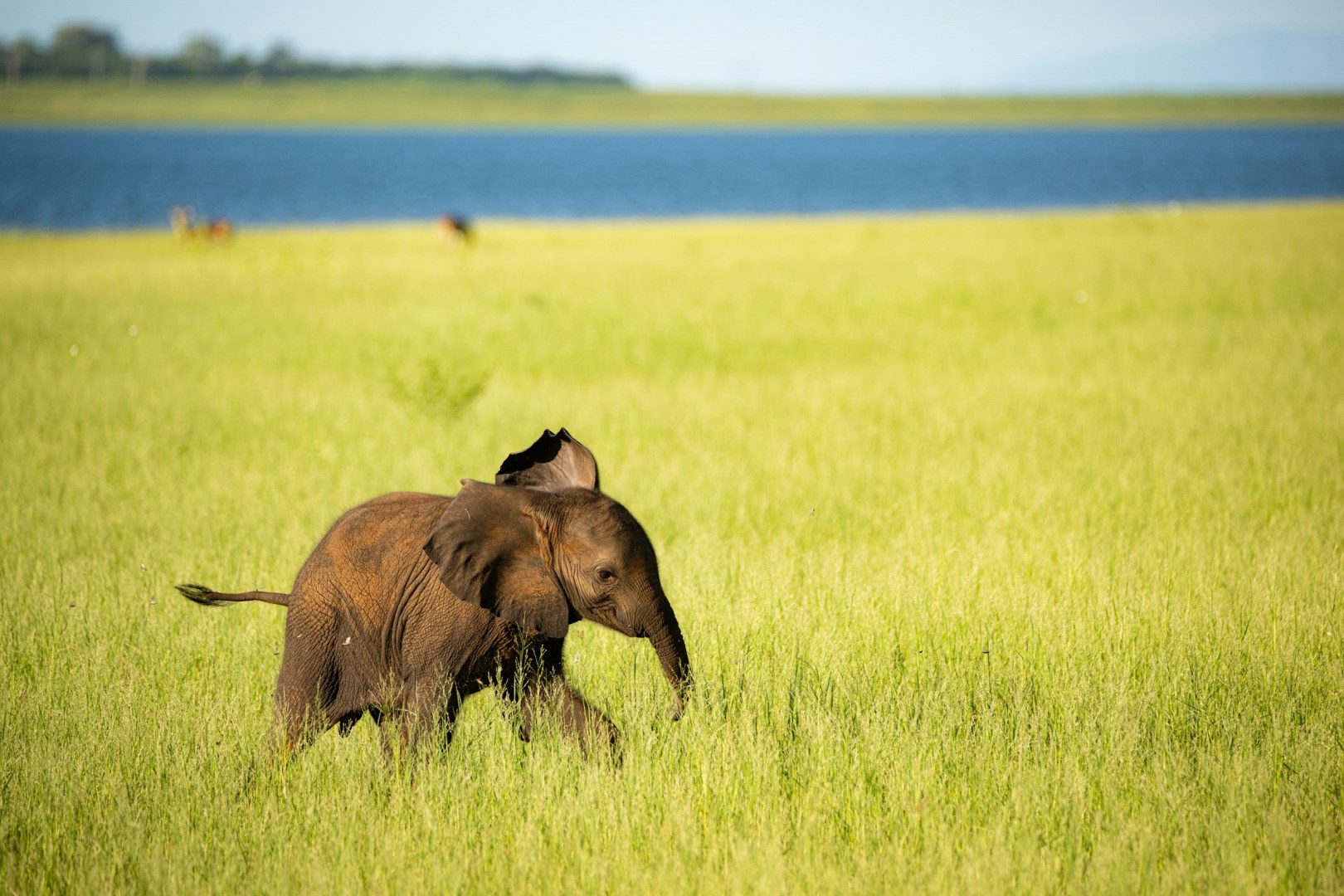
The lake provides opportunities for boat cruises, fishing, canoeing, and wildlife viewing along its quieter coves and islands. The shoreline is bordered in places by mopane and miombo woodland, with elephants, buffalo, hippos, crocodiles, and other animals found around the water and nearby protected areas. Matusadona National Park lies on the southern shore and combines lake environments with mainland savanna, providing habitat for large mammals and numerous bird species. The Kariba Dam is another major landmark, spanning the Zambezi River at the eastern end of the reservoir and supporting a large hydroelectric power station.
Kapenta is one of Lake Kariba’s best-known food resources and is widely sold fresh, dried, or cooked in stews and other local dishes. Bream, tigerfish, and other species are also caught in the lake, supporting both local diets and commercial fisheries. The reservoir is notable for its scale, extending for hundreds of kilometers through the Zambezi Valley and containing numerous islands and sheltered bays. Its formation also created a new inland water environment in a previously river-dominated landscape, changing local fisheries, wildlife patterns, transportation, and settlement while becoming an important economic resource for communities in both Zimbabwe and Zambia.
Other Popular Destinations in Zimbabwe